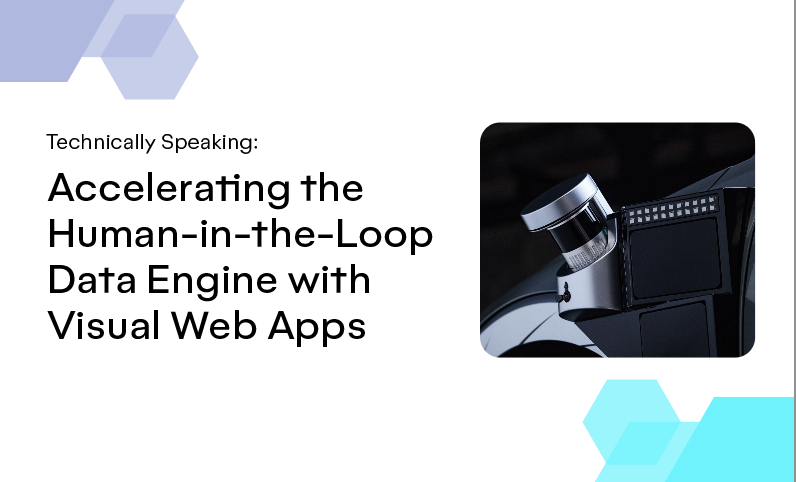
Accelerating the Human-in-the-Loop Data Engine with Visual Web Apps
A deep dive into Motional's data annotation platform that combines a universal, modular data contract-driven shell with an action-driven atomic state management system.
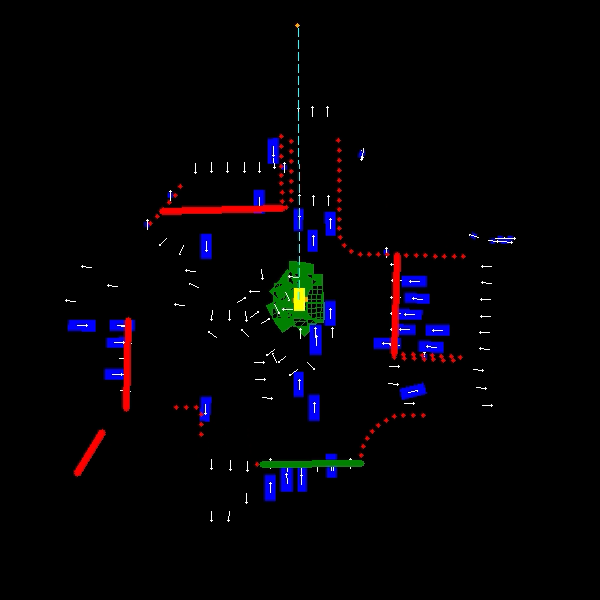
Why an Exceptional Coach is Needed for Autonomous Vehicles
At Motional, we have a rigorous, multifaceted training curriculum, including supervised, unsupervised and reinforcement learning in simulated environments, ensuring our vehicles are prepared for what they will encounter on the roads. Learn more how we train our autonomous driving system from Motional's President and CEO Laura Major.

Why is Behavior Prediction Important for Autonomous Driving?
Prediction is the ability to accurately reason a driving environment and anticipate the behavior of other road users. This technical blog covers Motional's approach to prediction, and how scaling up our behavior prediction network has been a major part of our vision to develop Large Driving Models (LDMs) that support globally scalable autonomous driving.

Technical Speaking: Omnitag, ML-Powered Multimodal Data Mining Framework
In this blog post, we introduce Omnitag, an ML-Powered Multimodal Data Mining Framework that transforms the "dark matter" of autonomy into refined, ready-to-use fuel for next-generation AVs.
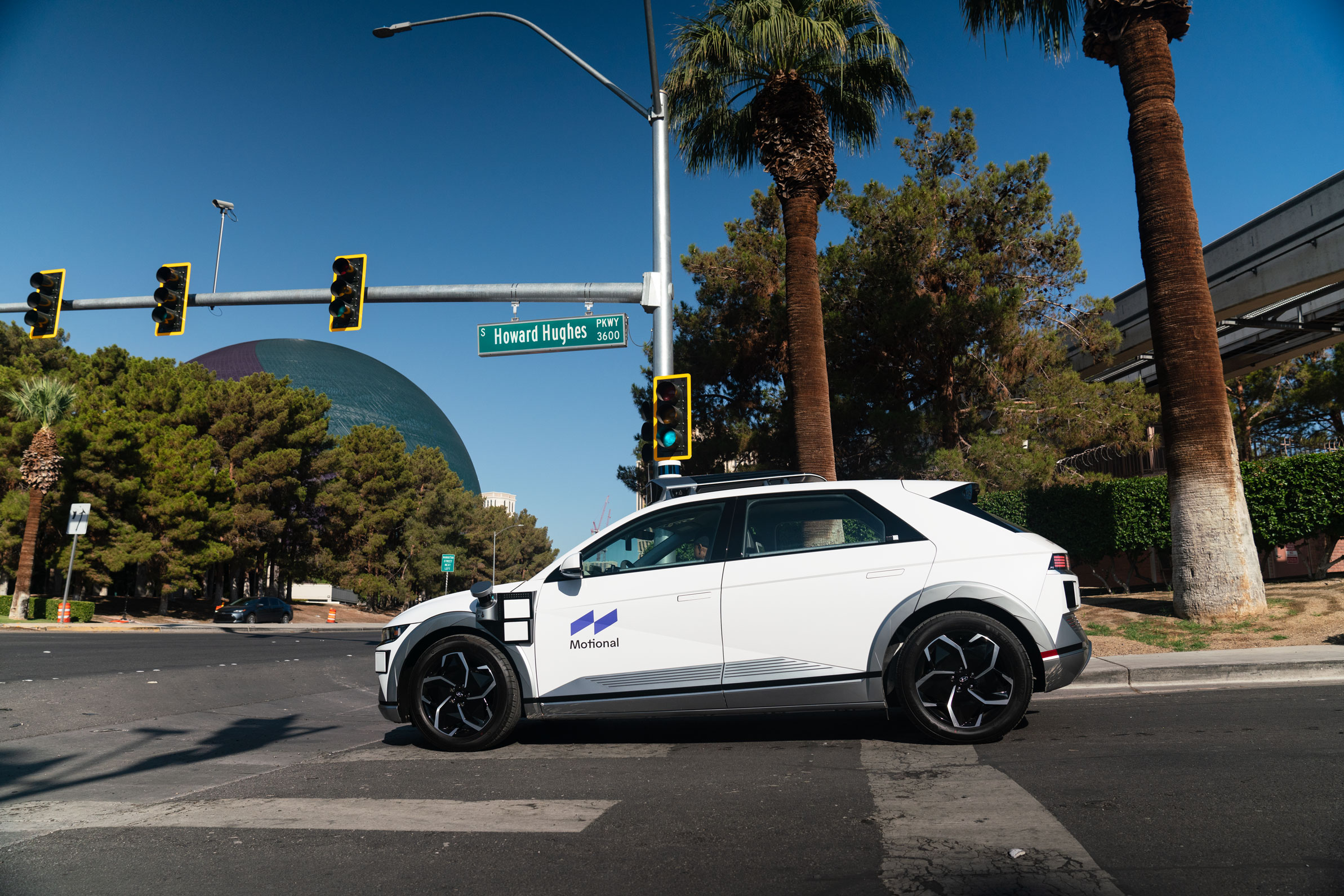
Technical Speaking: Transitioning from Rule-Based to ML-Powered Motion Planning
At Motional, we are pioneering the next evolution of AV technology by transitioning from traditional rule-based planning systems to an end-to-end machine learning (ML) powered motion planning system. This shift allows us to address some of the key limitations of legacy AV architectures and embrace a future where AVs rapidly learn, adapt, and improve with every mile driven.

Technically Speaking: Second-Stage Vision Adds Needed Context to Unique Scenarios
Motional has developed a Second-Stage Vision Network that uses machine learning principles to add important context to our object classifications -- additional fine-grain classification then flows downstream improving our perception, prediction, planning, and control substacks.
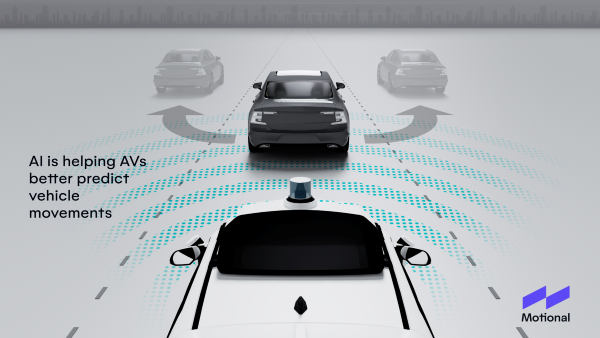
Technically Speaking: Improving Multi-task Agent Behavior Prediction
Motional's PredictNet approach to prediction uses machine learning principles and a multi-task learning architecture to more accurately predict the future behaviors of surrounding agents.
Technically Speaking: How Continuous Fuzzing Secures Software While Increasing Developer Productivity
Motional uses continuous fuzzing to make sure that our software is as safe and secure as possible before deploying it – or if there is a glitch, that the system can handle it gracefully.
Technically Speaking: Improving AV Perception Through Transformative Machine Learning
Transformer Neural Networks are receiving increased attention about how they can improve AI-driven technology. Our latest Technically Speaking blog explores how Motional has been using Transformers to make our perception function better.
Technically Speaking: Using Machine Learning to Map Roadways Faster
Motional's latest Technically Speaking blog explains how we're using machine learning to speed up the process of mapping public roadways prior to launching commercial passenger service.
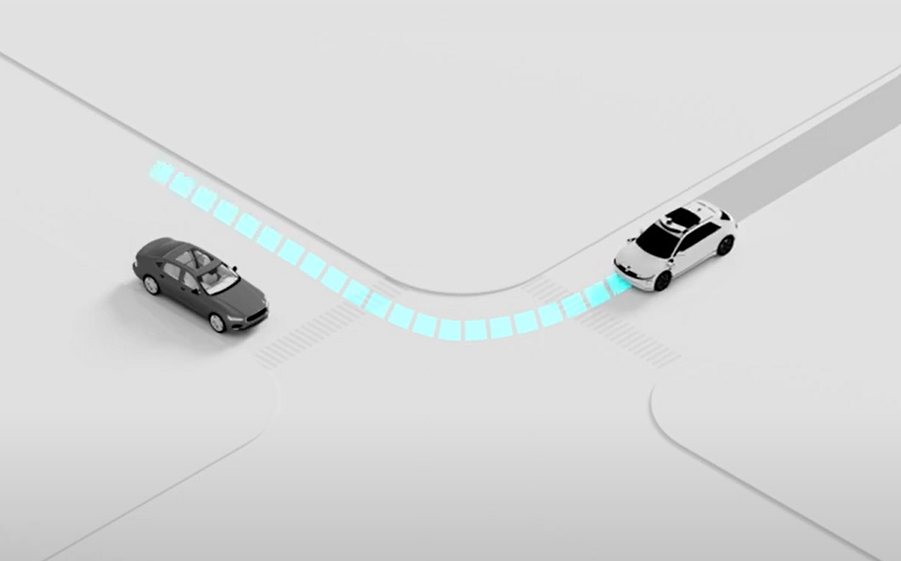
Technically Speaking: Closing The Loop To Travel Back And Help AVs Plan Better
Motional's latest Technically Speaking blog focuses on Planning, and how using closed-loop training will help refine the modeling AVs use to create a safe path forward quicker.
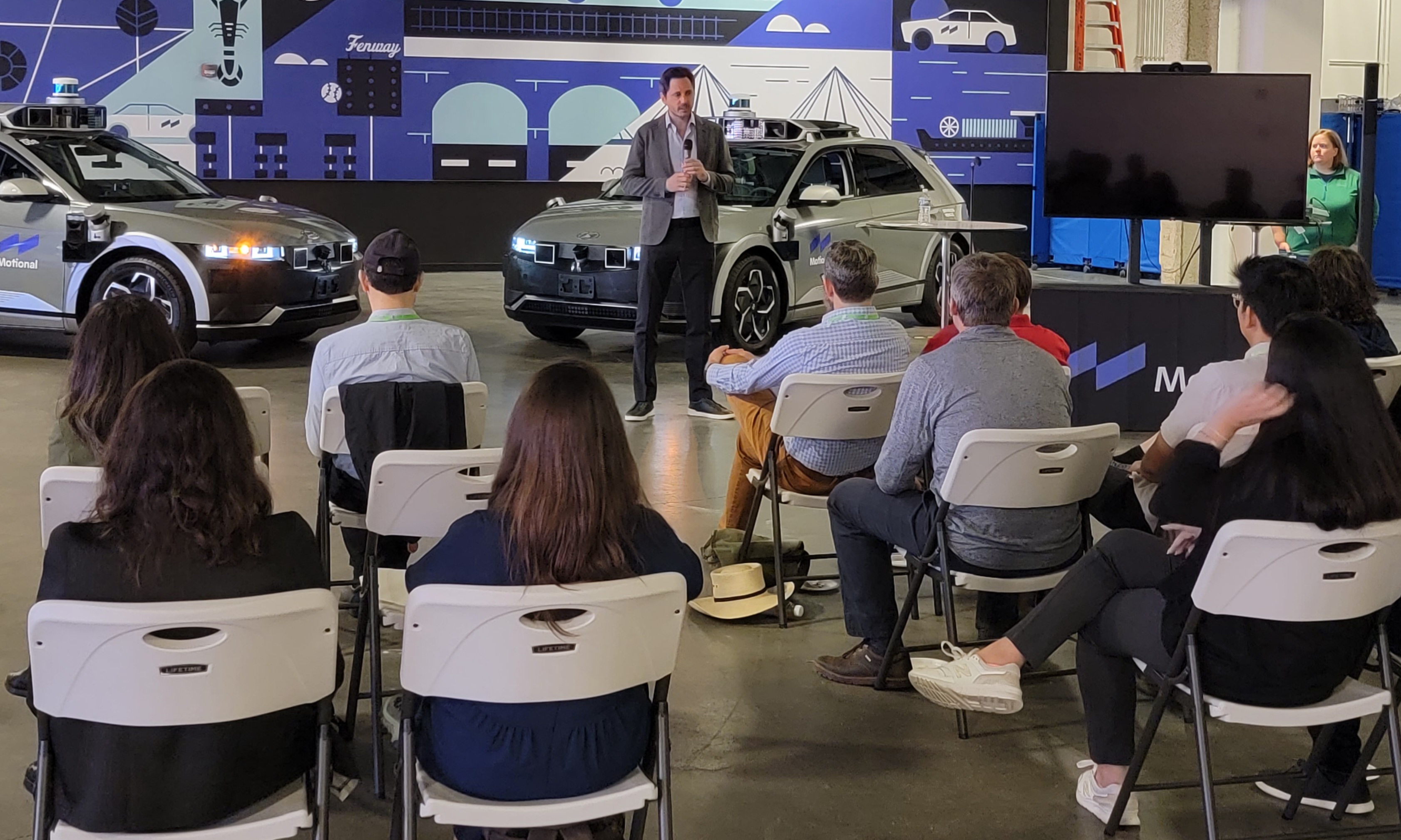
Motional Walks Transportation Planners Through Progress on AVs
Motional President and CEO Karl Iagnemma, Chief Technology Officer Laura Major, and others told NACTO attendees about the company’s driverless technology, approach to safety and accessibility, and the IONIQ 5 robotaxi.
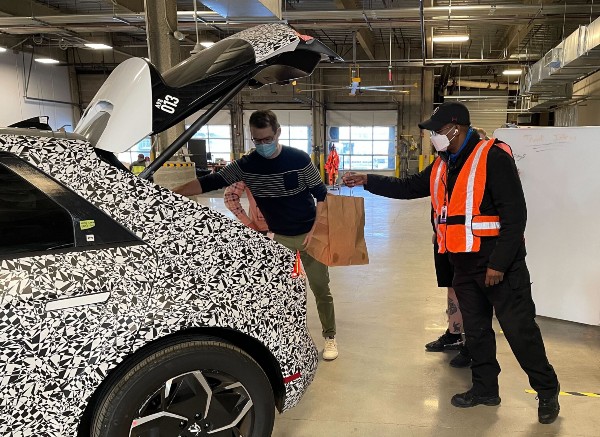
Engineering For Delivery: How Motional designed the IONIQ 5 robotaxi to move people – and goods
Motional engineers and product designers are creating an AV capable of serving dual purposes without losing functionality for either.
DriverlessEd Chapter 3: Enjoying the Driverless Ride
Chapter 3 of Motional's DriverlessEd series explains how AV companies like Motional are using research to understand what makes a ride comfortable, the types of features passengers expect, ways to make the vehicles accessible, and even how AVs can communicate with people.